Introduction
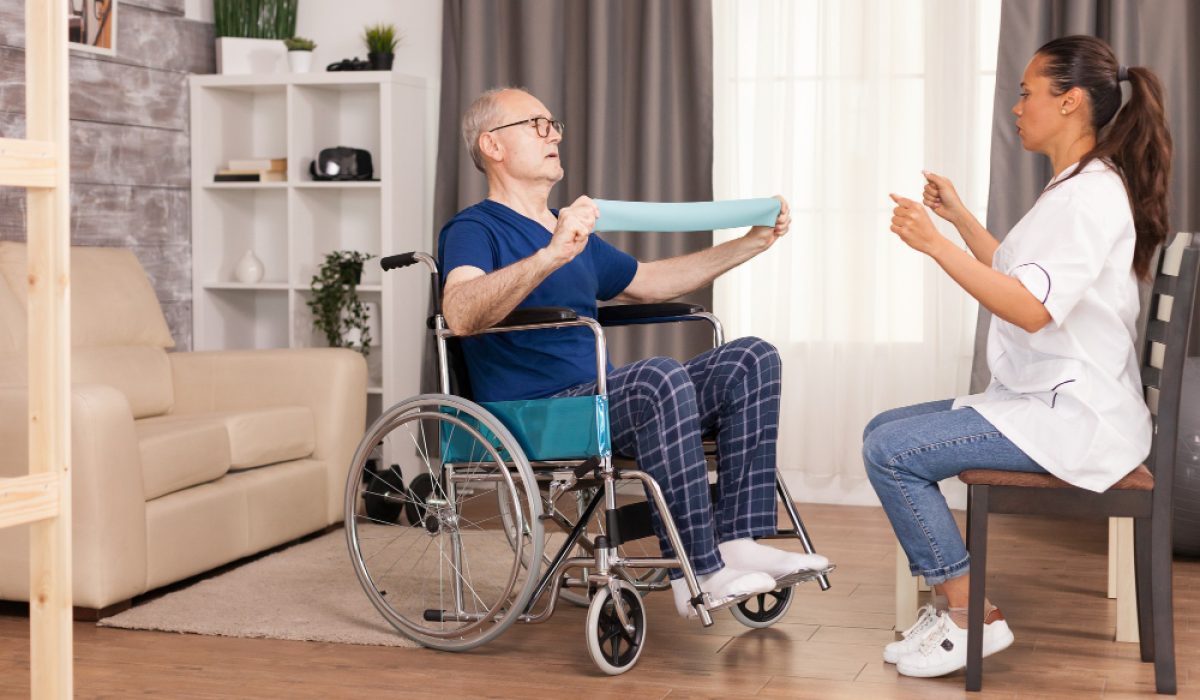
Stroke rehabilitation is a vital step after a stroke. It helps people regain strength, movement, and confidence. Many people wonder how to start stroke recovery exercises or if physiotherapy for stroke patients works. With the right support, stroke rehabilitation at home and in clinics can improve mobility after stroke. This guide will explain what to expect and how to make the most of recovery.
What is Stroke Rehabilitation?
Stroke rehabilitation is a set of treatments and exercises. It helps people recover after a stroke. The goal is to restore lost skills, such as walking, speaking, or using your hands. Often, a team of doctors, nurses, and therapists work together. They create a plan that fits your needs. Because every stroke is different, each plan is unique. Early rehab can lead to better results.
Common Symptoms After Stroke
After a stroke, people may notice changes in their body or mind. These symptoms can vary. However, some are more common than others. Knowing what to expect can help you prepare.
Because symptoms can change over time, regular check-ups are important.
Causes and Risk Factors for Stroke
Strokes happen when blood flow to the brain is blocked or a blood vessel bursts. There are several causes and risk factors. Knowing these can help with prevention.
Because some risks can be controlled, healthy habits matter.
How Stroke is Diagnosed
Doctors use several tests to diagnose a stroke. First, they check your symptoms and medical history. Then, they may order brain scans, such as a CT or MRI. Blood tests and heart checks are also common. Early diagnosis helps start treatment quickly. This can lower the risk of long-term problems.
Stroke Rehabilitation: Goals and Approaches
The main goal of stroke rehabilitation is to help you regain independence. However, each person’s needs are different. Your rehab team will set goals based on your abilities. They may focus on walking, talking, or daily tasks. Because progress can be slow, patience is key. Regular practice and support from family help a lot.
Types of Physiotherapy and Rehabilitation Techniques
There are many ways to help stroke recovery. Physiotherapy for stroke patients is common. It helps improve strength and movement. Other therapies may also be used.
Because everyone is different, your therapist will choose the best methods for you.
Lifestyle Tips for Stroke Recovery
Healthy habits can speed up recovery. Even small changes make a big difference. Here are some tips for better living after a stroke:
Because recovery can be hard, celebrate small wins along the way.
Prevention of Stroke Recurrence
After a stroke, the risk of another stroke is higher. However, you can lower this risk with healthy choices. Here are some ways to prevent stroke recurrence:
Because prevention is key, follow your doctor’s advice closely.
Frequently Asked Questions
How long does stroke rehabilitation take?
Recovery time varies for each person. Some improve in weeks, while others need months or longer. Regular rehab helps speed up progress.
Can stroke rehabilitation be done at home?
Yes, many stroke recovery exercises can be done at home. However, always follow your therapist’s advice for safety.
What are the best exercises for improving mobility after stroke?
Simple leg lifts, walking, and balance exercises help. Your physiotherapist will suggest the best moves for you.
Is full recovery possible after a stroke?
Some people recover fully, but others may have lasting effects. Early and regular rehab gives the best chance for improvement.
Conclusion
Stroke rehabilitation is a journey. With the right care, support, and effort, many people regain their independence. For the best results, consult a rehabilitation specialist for personalized stroke recovery guidance.